

Dental Device Disposal: 2026 HIPAA Media Guide
Learn how dental practices should handle computer, drive, USB, scanner, and other media disposal or reuse while protecting ePHI under HIPAA.
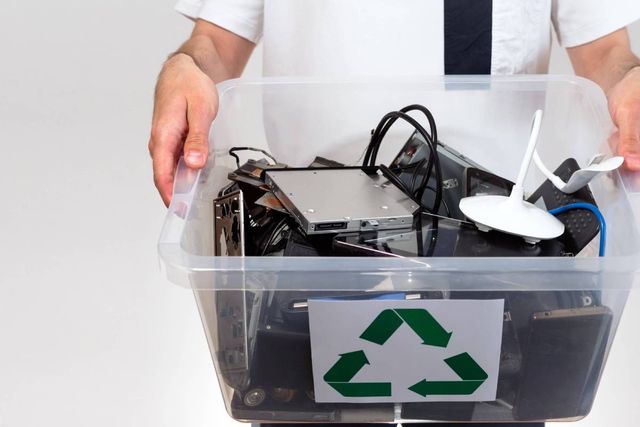
Dental practices regularly replace workstations, servers, hard drives, scanners, removable media, and other technology. The HIPAA Security Rule requires policies and procedures for the final disposition of electronic protected health information and the hardware or media on which it is stored, and it also requires procedures for removing ePHI before media are made available for reuse. HHS does not mandate one universal destruction method for every device. The right process depends on the media, sensitivity, reuse plan, vendor involvement, and the practice's risk analysis.
Key Takeaways
Inventory the device or media before disposal so the practice knows whether it may contain ePHI, credentials, local application data, exports, backups, or configuration files.
Choose a sanitization or destruction method appropriate to the media and reuse plan; do not assume deleting files or formatting a drive proves ePHI is unrecoverable.
Document custody, method, date, responsible party, vendor handoff, and final disposition so the practice can show what happened to retired technology.
Which dental devices should be included in a disposal process?
Include more than desktop computers. Servers, laptops, solid-state drives, hard drives, USB media, external backup drives, imaging workstations, multifunction devices with internal storage, network appliances, old phones, tablets, and removable media can all retain data or credentials.
Use the asset inventory to identify the device, location, owner, storage components, encryption status, clinical or business use, and whether local data was ever stored. A device that mainly used cloud software may still contain cached files, exports, browser data, credentials, or downloaded attachments.
What does HIPAA actually require before disposal or reuse?
HHS states that covered entities must implement policies and procedures addressing the final disposition of ePHI and the hardware or electronic media on which it is stored. HHS also requires procedures for removing ePHI before electronic media are made available for reuse.
The rule is flexible rather than device-specific. A practice should select a reasonable method based on the media and circumstances and document the process in its security policies and operating procedures.
Is deleting files or formatting a drive enough?
Not necessarily. Ordinary deletion often removes file references without proving the underlying data cannot be recovered. HHS points to approaches such as clearing, purging, or physical destruction depending on the circumstances and also references NIST media-sanitization guidance.
The method should match the technology. A process appropriate for a magnetic drive may not be the right process for a solid-state device, phone, appliance, or encrypted storage system. Use current vendor or qualified sanitization guidance for the actual media.
How should reuse be handled inside the practice?
Reassigning a workstation or drive still requires a deliberate review. Remove prior user data, cached credentials, exports, local databases, saved browser sessions, and unnecessary applications before the device moves to another role.
If the device remains in service, update the inventory and confirm endpoint security, patching, encryption, user assignment, and monitoring before the next user begins using it.
What should be required from a disposal vendor?
Define the service scope, chain of custody, sanitization or destruction method, proof of completion, and how devices are transported and stored before final disposition. Evaluate whether the vendor's role creates business-associate obligations based on its access to ePHI.
Do not rely only on a recycling pickup receipt. The practice should know which assets left the facility and what evidence confirms the agreed disposition process was completed.
What records should the dental practice keep?
Keep enough information to connect the retired asset to the disposition decision: asset identifier, serial number where appropriate, date, method, responsible person, vendor, certificate or evidence, and whether the item was reused, transferred, returned, or destroyed.
HHS requires Security Rule documentation to be maintained for six years from creation or from when the document was last in effect, whichever is later. Apply that requirement to the policies and required documentation that support the disposal process.
Sources and References
Primary sources used for this article
Regulations, product support information, and incident details can change. Review the linked primary sources for the latest status.
Current Security Rule summary covering device and media controls, documentation, and safeguards.
HHS guidance on reasonable safeguards for disposal of PHI and final disposition of ePHI/media.
Current HHS guidance on clearing, purging, destruction, and reuse of electronic media.
Common Questions
Frequently asked questions
Does HIPAA require every old hard drive to be physically shredded?
No. HHS does not mandate one destruction method for every situation. The practice should use an appropriate sanitization or destruction method based on the media, intended reuse, risk, and current guidance.
Can a dental office donate old computers?
Potentially, but ePHI and other sensitive information must be removed appropriately before reuse or transfer, and the practice should document the process.
Is factory reset enough for a phone or tablet?
It depends on the device and how data was stored or encrypted. Use current manufacturer guidance and a documented sanitization process rather than assuming every reset provides the same result.
Should broken drives still be documented?
Yes. A failed device may still contain recoverable data. Track it through final disposition just like a working device.
Can an IT provider dispose of devices for the practice?
Yes, if the arrangement is appropriately documented and any applicable HIPAA business-associate responsibilities are addressed. The practice should still retain evidence of final disposition.
Should disposal be part of the asset inventory?
Yes. Asset lifecycle records should show when equipment leaves service and how its storage media and access were handled.